Feedback
AI Ad Video Example
Loading...
MiniMax H3 to Video
Turn a text scene into 2K video with built-in audio using MiniMax H3 to Video. Live dialogue and reference continuity in minutes.
All Tools
Discover our comprehensive AI-powered animation toolkit
MiniMax H3
MiniMax H3 AI Video Generator
Seedance 2.5
The Future of AI Video Is Here.
Seedance 2.0
The Future of AI Video Is Here.

Veo3.1
Create Stunning Videos with Veo3.1
Kling 3.0
Next-Gen AI Video Generator
Grok Video Generator
Create Videos from Text or Images with AI
MiniMax H3 video generator
MiniMax H3 AI Video Generator
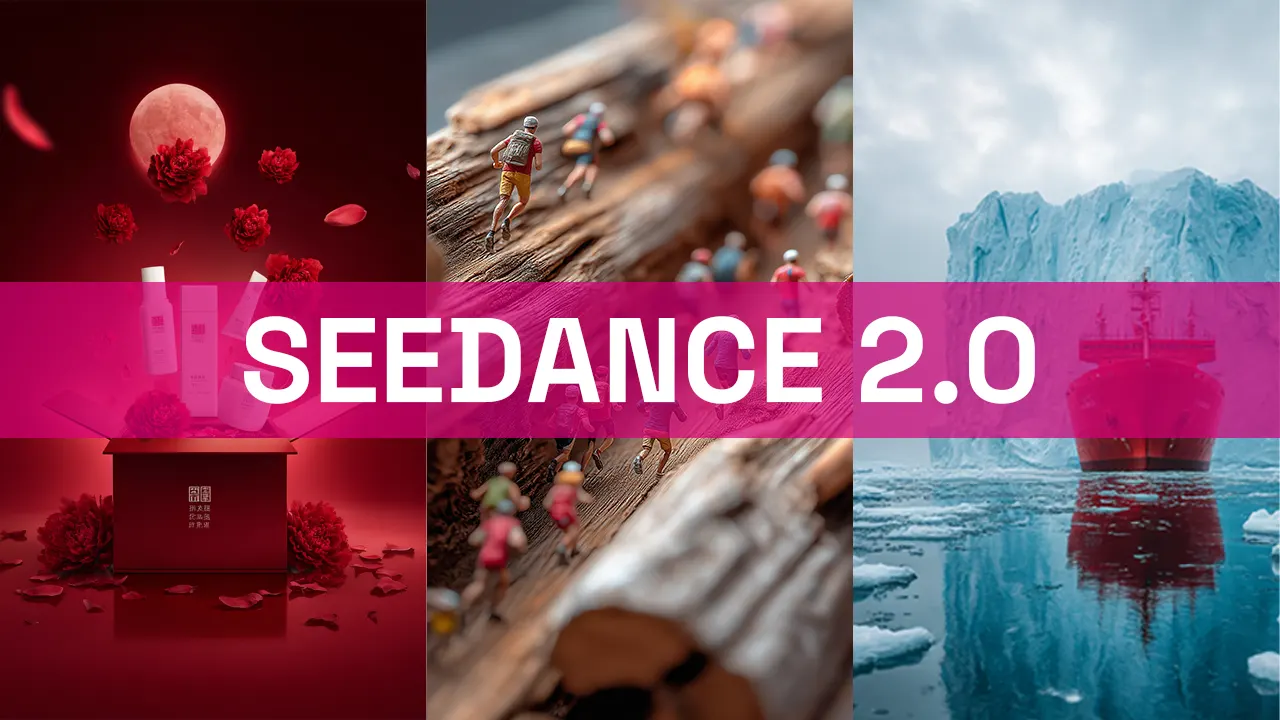
Seedance 2.0
The Future of AI Video Is Here.
Benefits of MiniMax H3 to Video
MiniMax H3 to Video, also branded as Hailuo 3.0, is MiniMax's next-generation model that converts written scenes directly into 2K visuals with integrated sound. Since audio and picture are synthesized in one go, describing effects and their exact timing alters the output. Speech is captured on camera as the footage renders, eliminating post-sync, while visual references stay stable and pre-sequence shots follow your scripted order.
- Script-to-Clip with Synchronized SoundDescribe what you want to see, and the output arrives as motion footage with its soundtrack baked in. MiniMax H3 to Video merges picture and audio generation into one unified run.
- Live Dialogue in the ShotFor vertical dramas relying on tight framing and shot-reverse-shot editing, the actor's line is spoken during rendering itself — so no separate lip-sync or ADR is ever required.
- Stable Effects Through Reference InputsProvide up to nine stills, three video references, and three audio tracks per session, assigning each a role — MiniMax H3 to Video pulls facial traits, settings, movement and vocals from these fixed assets to keep everything coherent.
Step-by-Step Guide to MiniMax H3 to Video
Create your clip in just three phases, all inside Morphic's limitless visual workspace, powered by MiniMax H3 to Video.
Core Capabilities of MiniMax H3 to Video
All-in-one text-to-video generation with onboard audio, spoken lines inside the frame, reference-based continuity, and multi-shot timing — MiniMax H3 to Video transforms your written scenes into polished 2K clips with sound included.
Audio-Native Text-to-Video Creation
Describe your narrative and receive motion footage with its soundscape pre-installed. Calling out specific effects and their precise timings directly shapes the final output.
Embedded Spoken Word
Designed for vertical drama that relies on tight shots and reverse-angle edits — the dialog is performed during generation, combining acting and delivery in a single pass.
Fifteen Inputs for Full Control
In a single session you can supply nine images, three motion clips, and three audio samples, each tagged with a purpose — faces, places, movements, and voices all derive from these set resources.
Choreographed Multi-Scene Output
Structure your video in rhythmic segments, and each individual shot appears within the same render. Opening credits, UI walkthroughs, and product introductions follow your specified sequence automatically.
Cross-Model Comparison and Instant Switching
Within minutes you can render your scene, change engines, and align multiple MiniMax H3 to Video output versions next to each other on the Morphic Canvas — then pick the winning take.
Ultra-Sharp 2K Delivery
The model outputs 2K footage with native audio mixed in, so your final asset is immediately suitable for intro credits, app demos, and launch sequences.
Frequently Asked Questions About MiniMax H3 to Video
Quick answers to frequent doubts regarding text-driven video creation with MiniMax H3 to Video.
What does MiniMax H3 to Video do exactly?
MiniMax H3 to Video, known as Hailuo 3.0 in other contexts, is a text-to-clip service. It turns a scripted scene into 2K footage with audio included, generating the visual and acoustic layers together in one go.
Is the audio output genuinely synthesized by the model?
Absolutely. The audio track is created simultaneously with the pixels. If you specify effects and their exact hitting time, the output adapts; speech appears in the frame naturally, with no post-recording process.
What approach produces the strongest first take?
Describe the frame by covering the subject, activity, camera angle, lighting, and audio requirements, and mark the timestamps for every segment — when each beat is clearly laid out, the initial generation will be far more accurate.
Can I attach external images, clips, or audio?
Yes. You can load nine still images, three video snippets, and three audio files into a single session, assigning each one a purpose — such as a particular face, setting, movement, or sound — and the model draws from those fixed inputs.
Can one prompt generate multiple shots?
Sure. Segment your script into rhythmic blocks, and the tool outputs each shot within the same generation. Theme intro, screen demos, and product launch scenes are completed in the exact sequence you typed.
How do I evaluate MiniMax H3 to Video alongside other AI models?
Using the Morphic canvas, you can generate in minutes, switch to another engine, and put MiniMax H3 to Video results next to outputs from Kling 3.0, Veo 3.1, Seedance 2.5, or Vidu Q3 in a side-by-side comparison, then decide on the final version.
Experience MiniMax H3 to Video Today
Convert your script into 2K footage that carries its audio from the very first frame. With MiniMax H3 to Video, you get text-to-video, live dialogue, and reference-backed consistency, all inside an endless visual workspace.